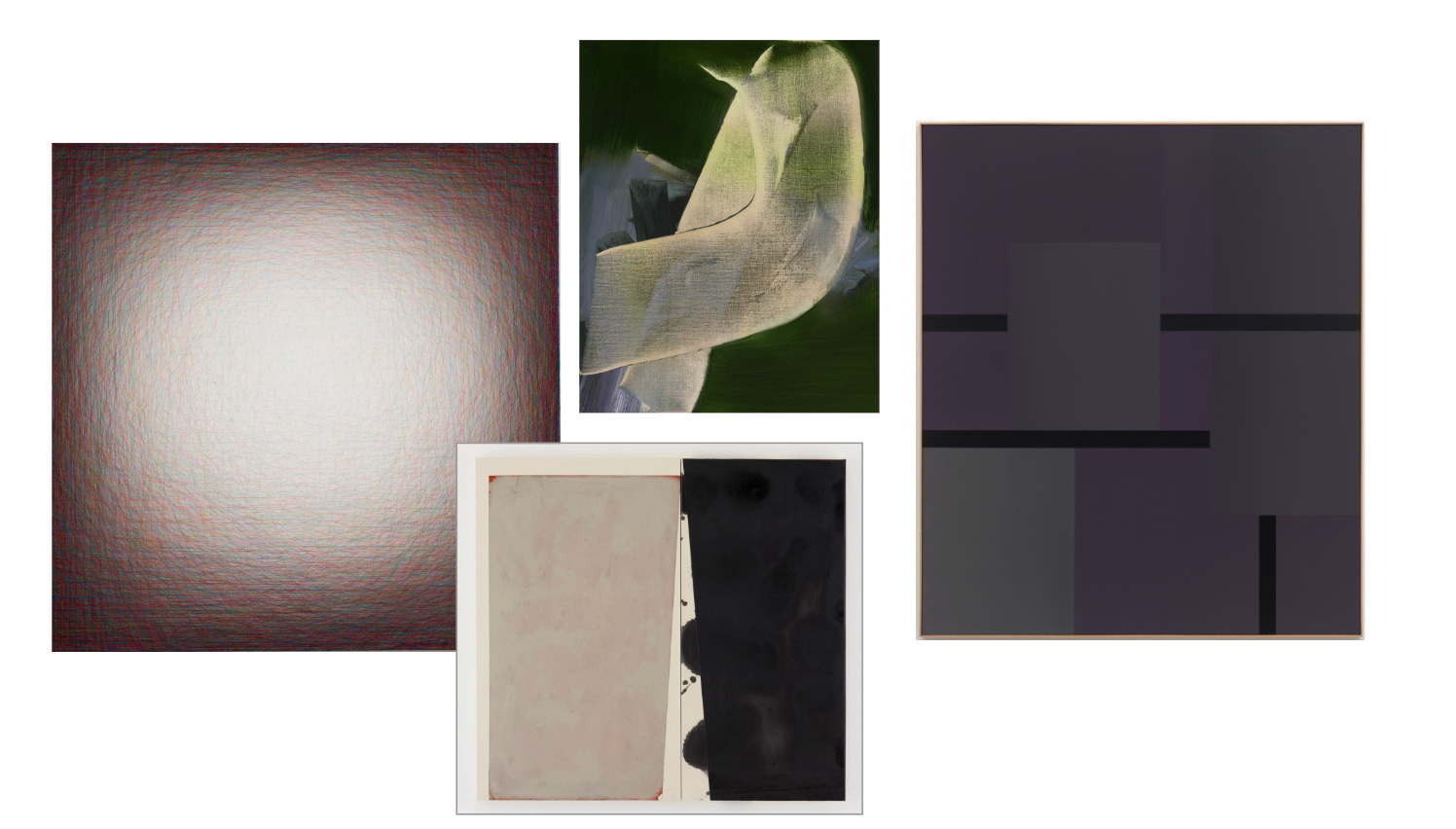
When sourcing art for clients, we never think about art in isolation; the art we recommend for each client needs to resonate with them on multiple levels (considering the aesthetics, media, artist story, and impact), and work with surrounding elements (other art, design and architecture). Part of our work here is to consider various artwork combinations to see how they feel. Even if these pieces are not in the same site line, we like to embrace “cohesive diversity” in three main ways:
Ensuring artworks do not feel repetitive.
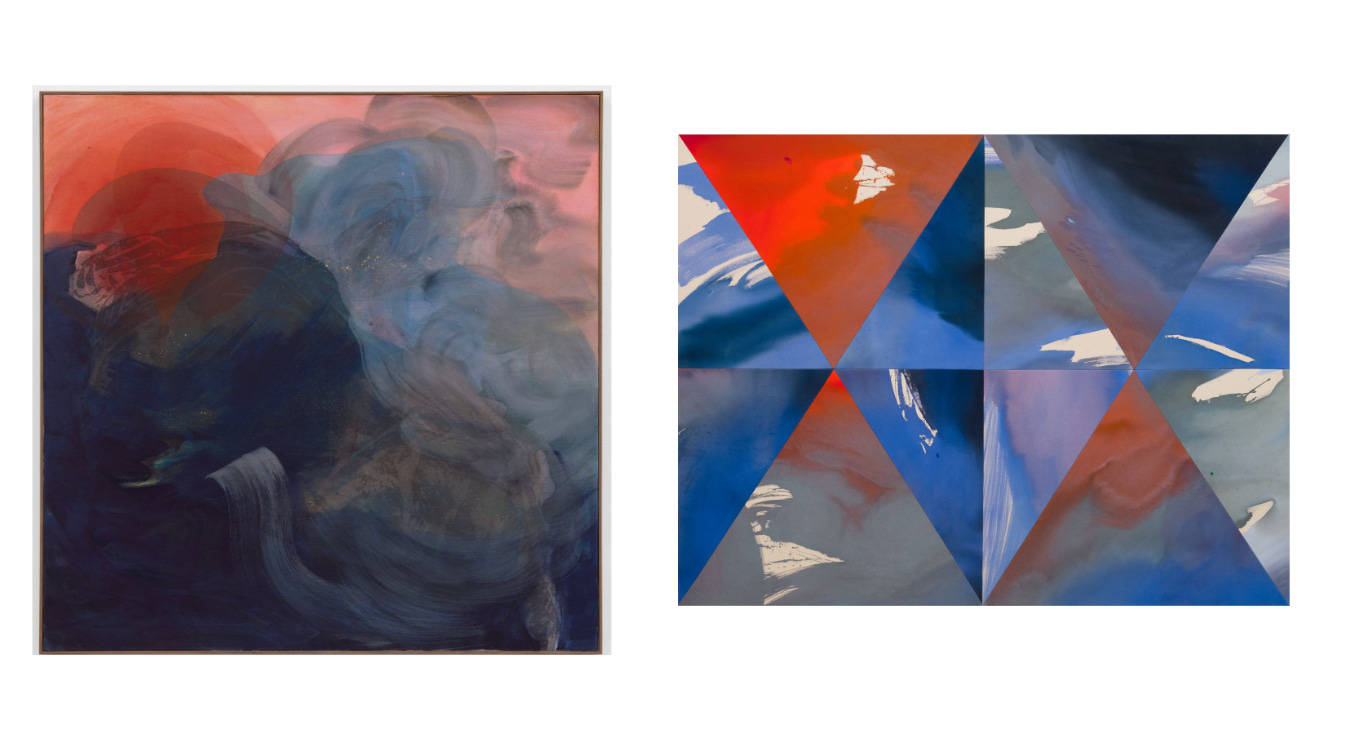
When they do, nothing feels special. A classic example of this is when someone has only neutral abstract paintings. Each one feels like the next. Instead, integrate some diversity of color, form, and media. Here’s an example of what DOES NOT work because the color palette is simply repetitive:
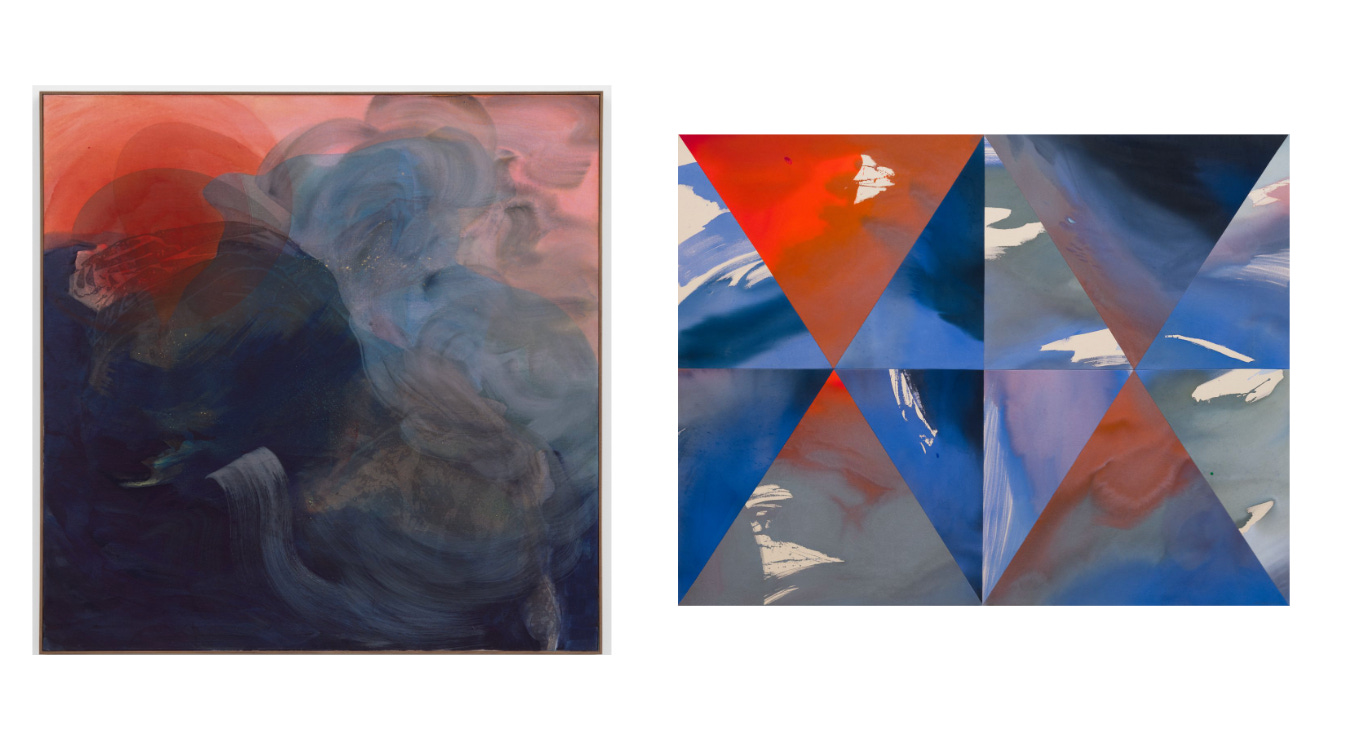
Paintings by Sigrid Sandstrom (left), and Heather Day (right) Consider combinations that have some similar elements, such as colors, forms, or brushwork.
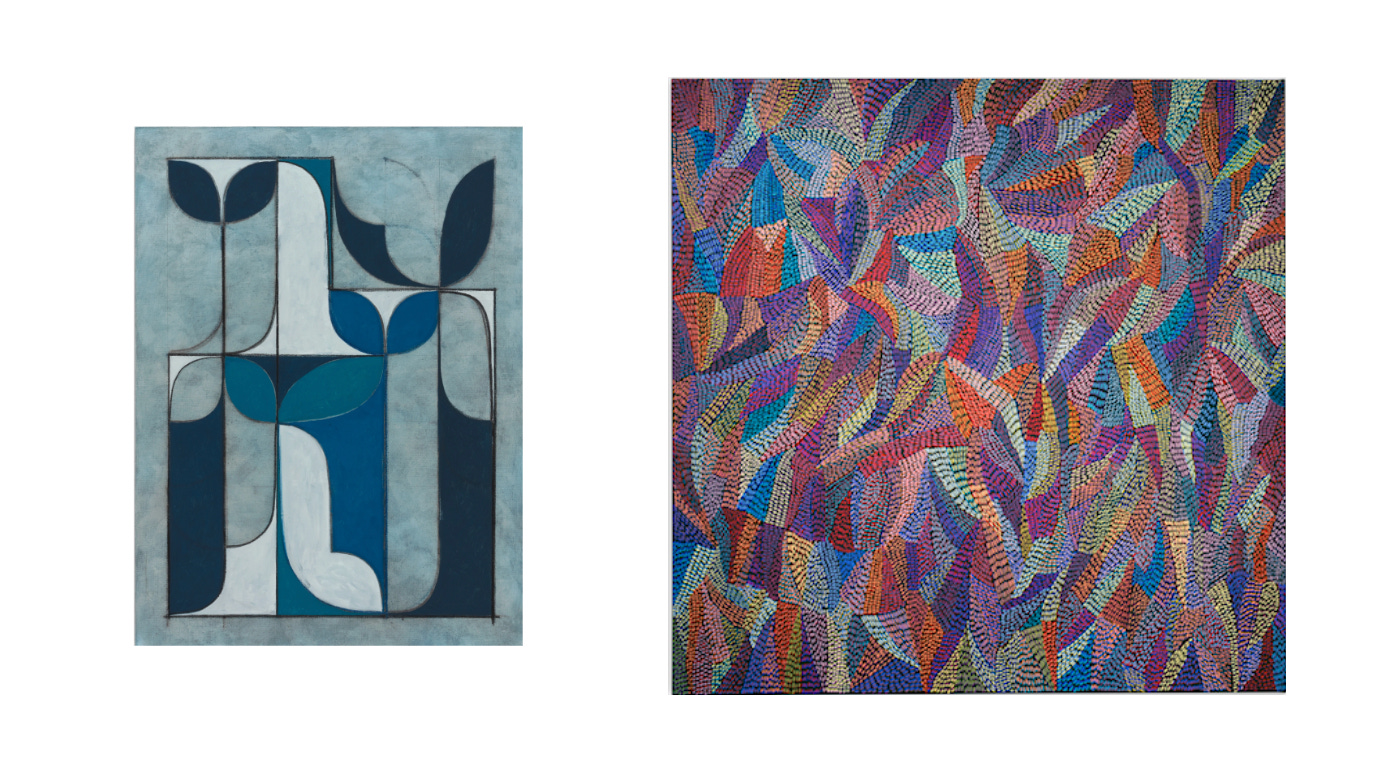
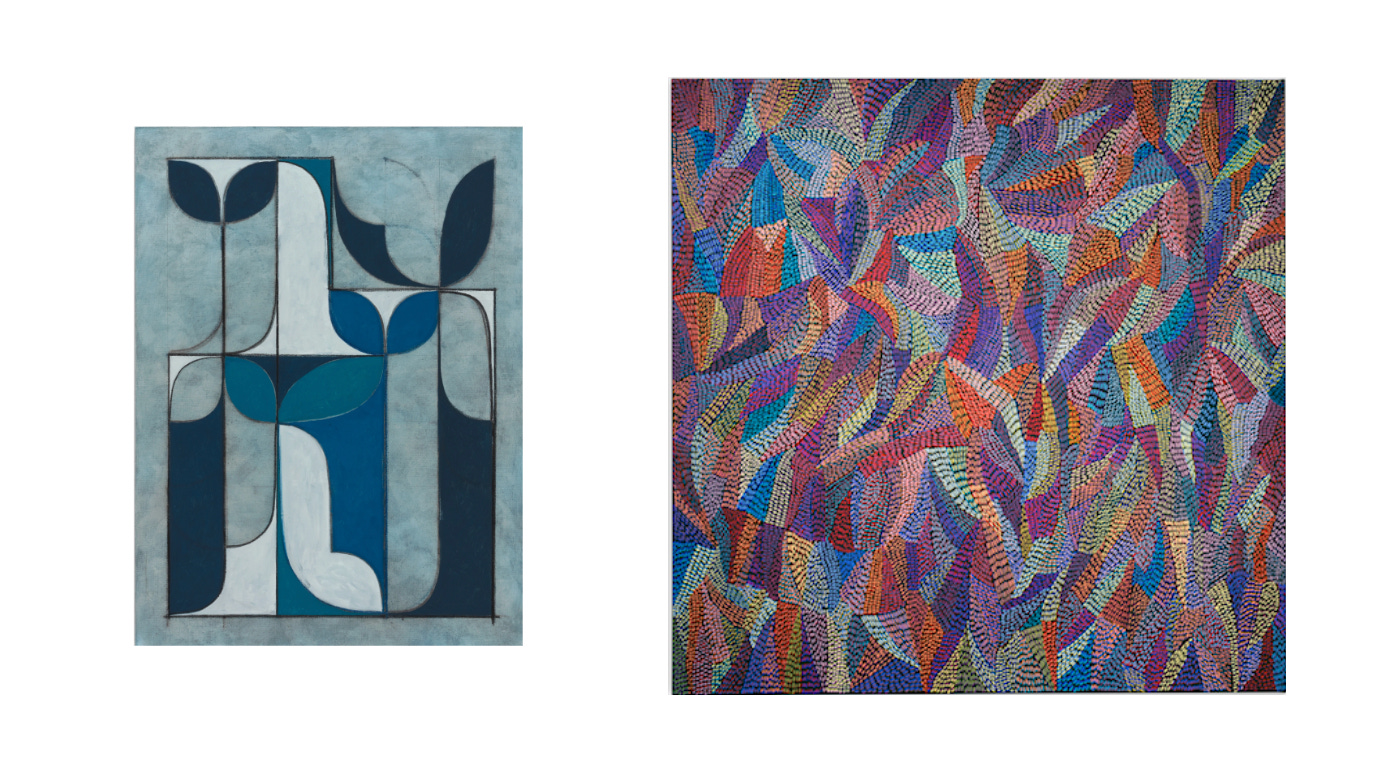
Having one piece unexpectedly share a form with the other creates a relationship between the works that feels unexpected and engaging. These types of relationships can be discovered when you think about pairings. Here’s one we’re considering for a Greenwich, Connecticut client. After playing with digital images of various favored options, we loved the repeated petal form in the two works shown here by Kamrooz Aram and Madeleine Keesing.
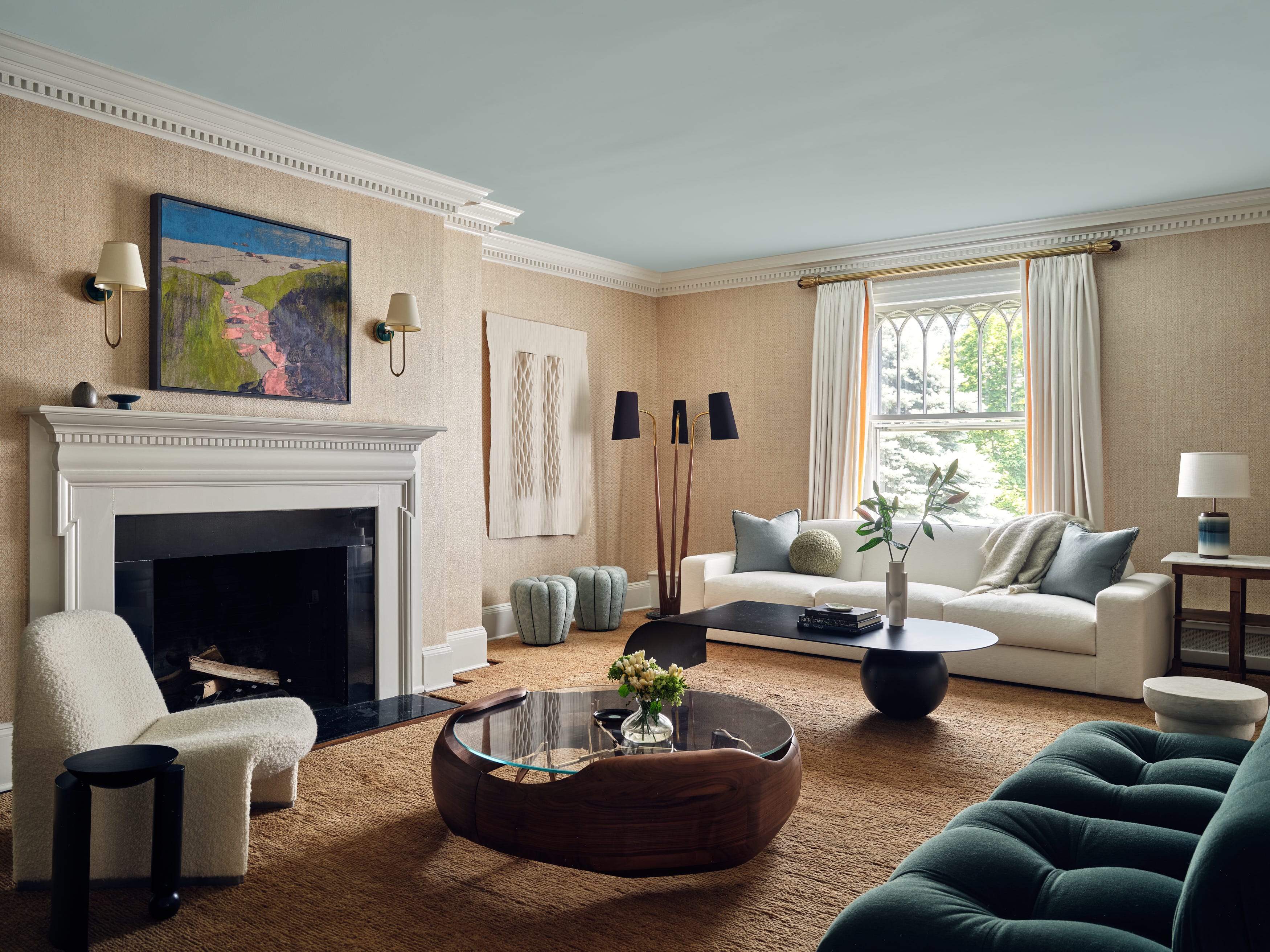
Be mindful of artwork that “fights” with adjacent pieces or design elements, such as wallpaper.
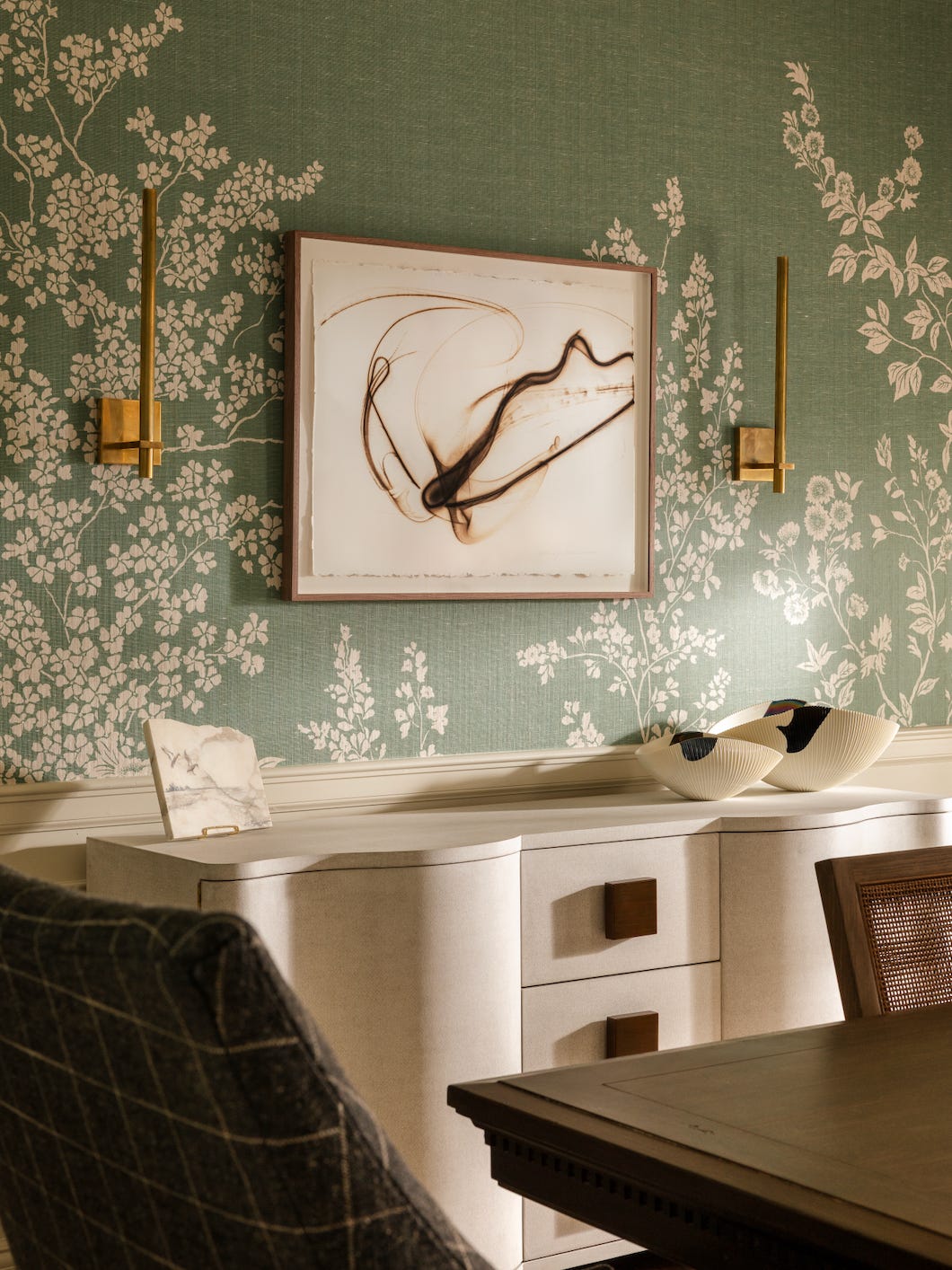
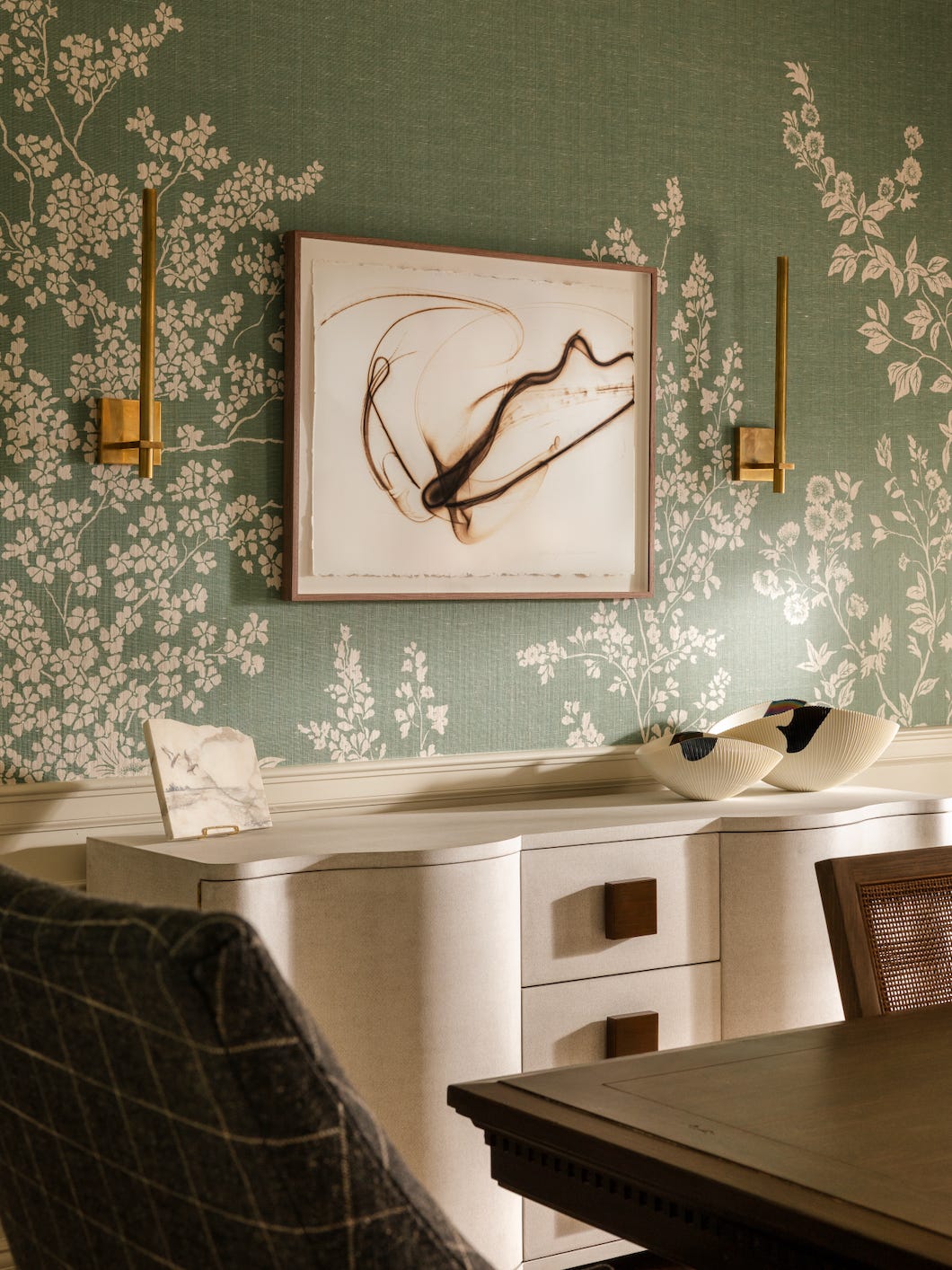
We have one client who has always said she doesn’t want too many stars in a room, and we agree. There’s a beauty to balance - higher energy pieces with quieter ones; textural paintings with subtle works on paper, and dense compositions with more minimalistic ones. See the below image of an Etsuko Ichikawa “pyrograph” (made by a burning tool) layered onto a floral wallpaper in this Jenny Madden-designed home. The art and wallpaper together elevate each individually, creating overall balance, depth, and visual interest.
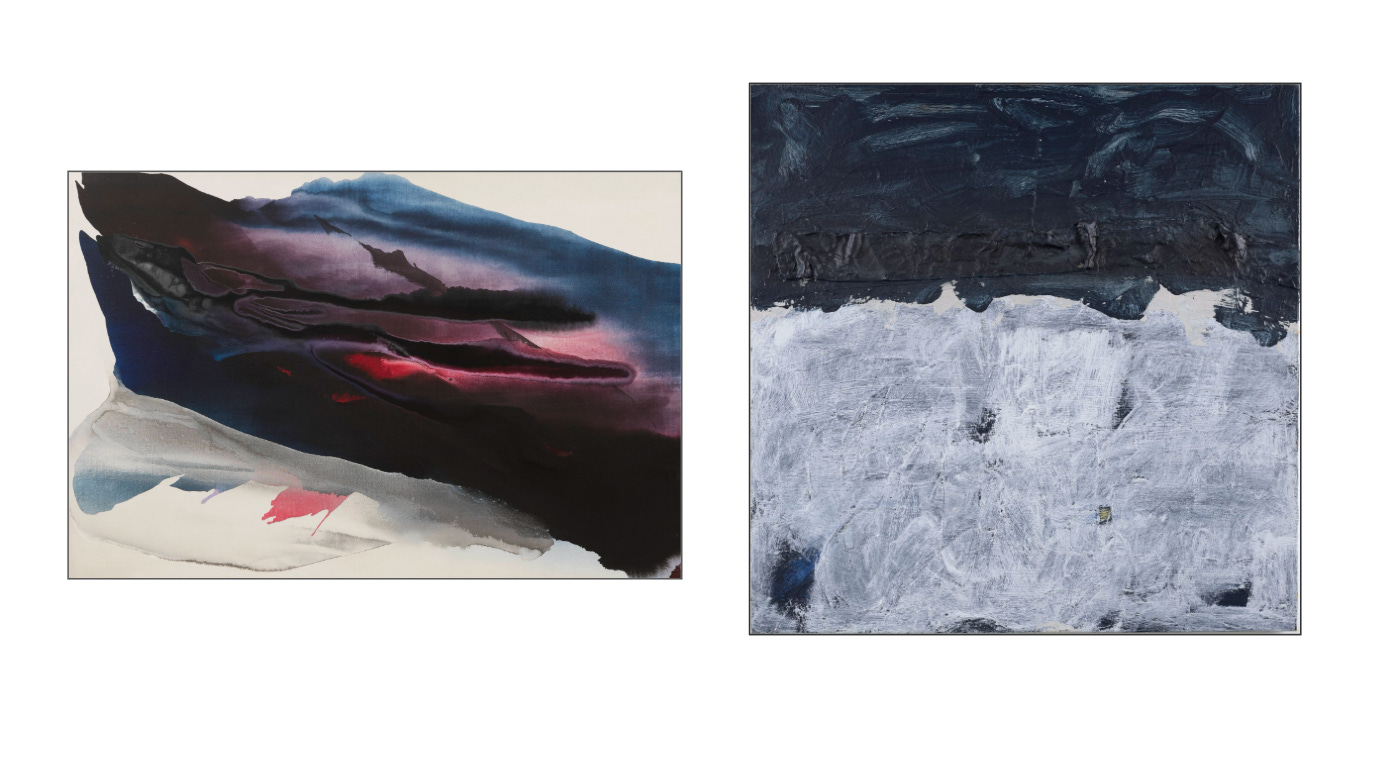
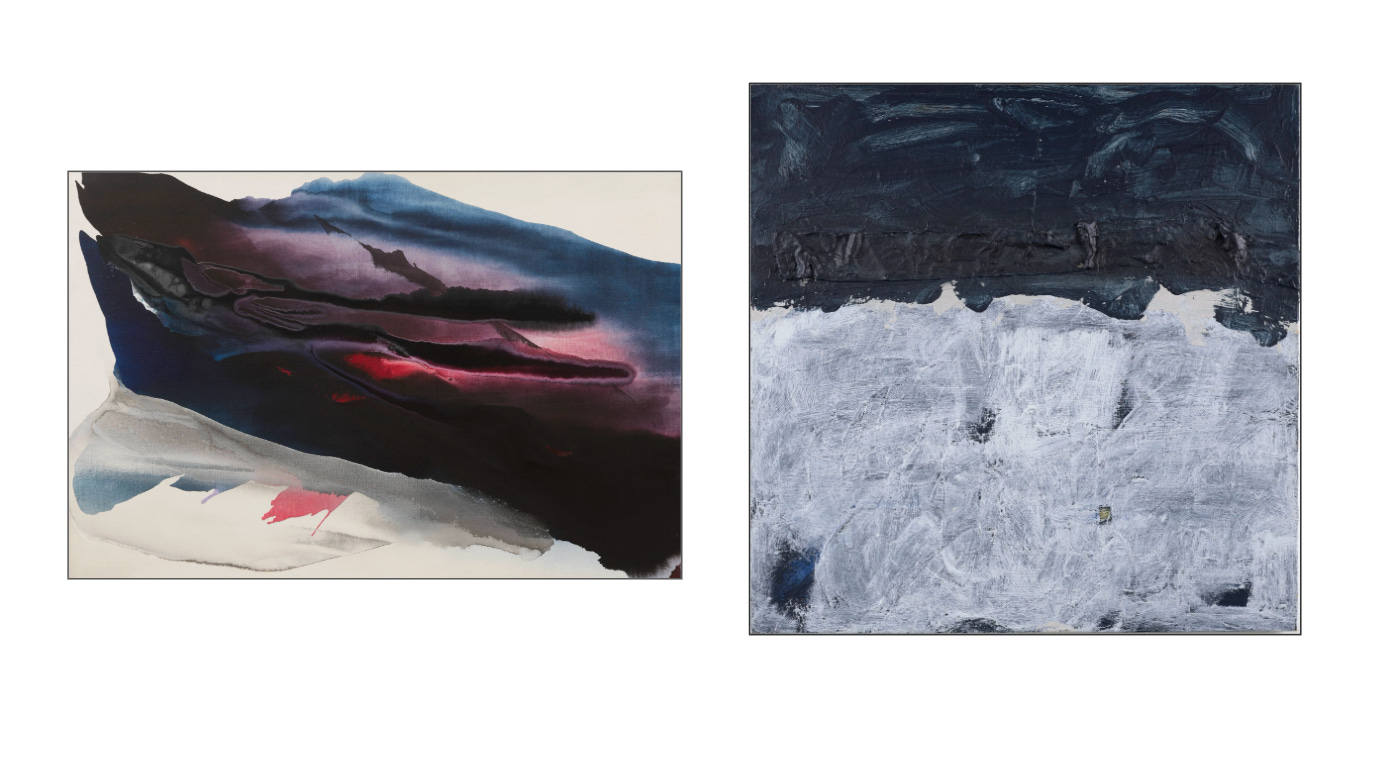
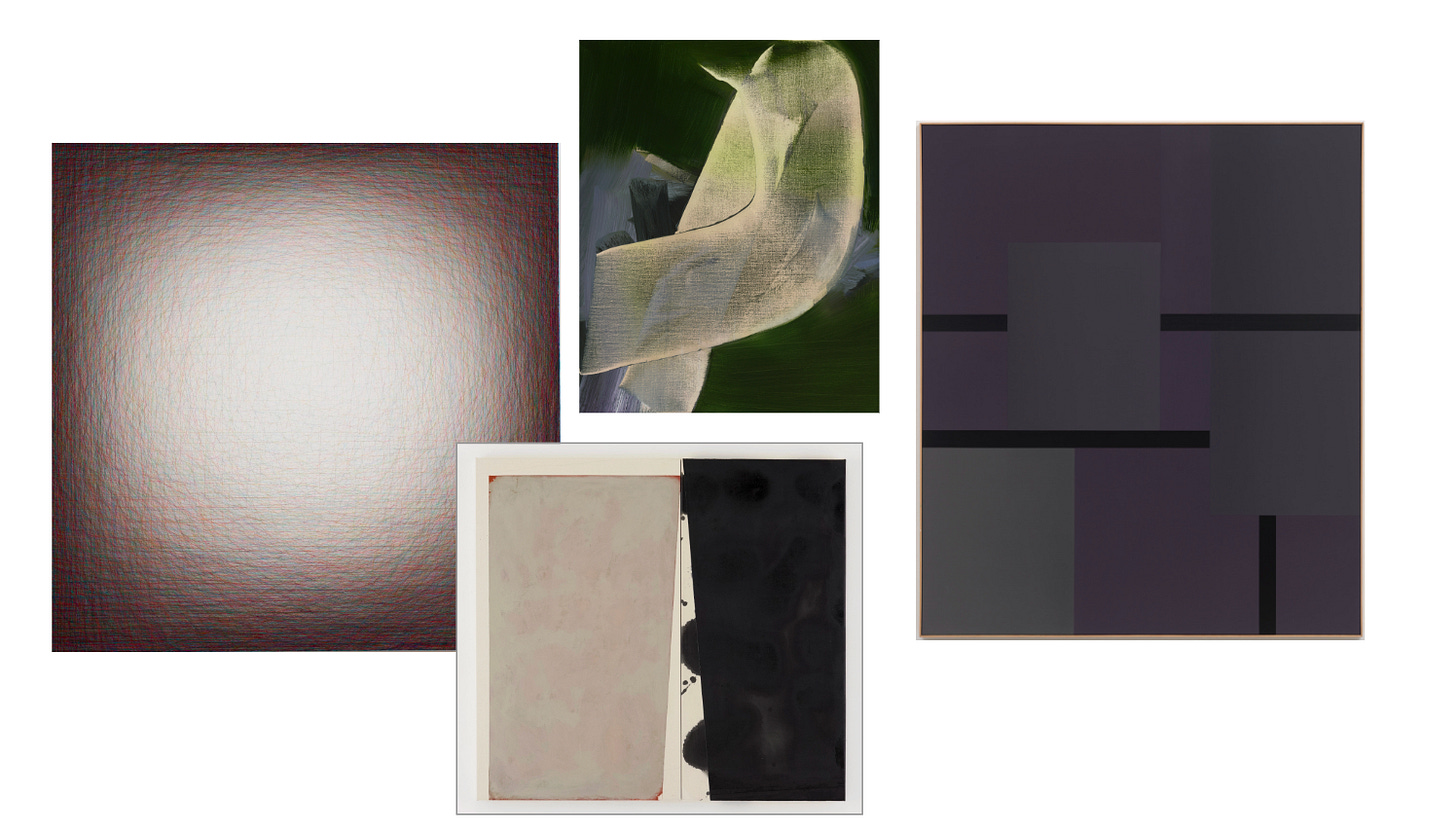
Finally, below are some additional combinations we’re considering for our Upper West Side project. In a presentation, we share so many more details about each piece, but this shows a window into what we do on the back end to think about how everything works together. (See #5 in this popular post to learn why we share more than just an art image, and this post shares about what we do to prepare for a client presentation)
If you found this post to be helpful, do let us know by liking or commenting!